Blogs & Articles
Written By:
Miko Miguel Hechanova Ramos
Every year, roughly between late January and mid-February, a frenzy takes over the Seafood Capital of the Philippines. Mud crab prices jump exponentially, turning our aquaculture produce into a luxury commodity overnight. This article explores the cultural symbolism behind this demand, the economic windfall for our local farmers, and how Philippine mud crab culture fuels the celebrations of Chinese New Year across Asia.
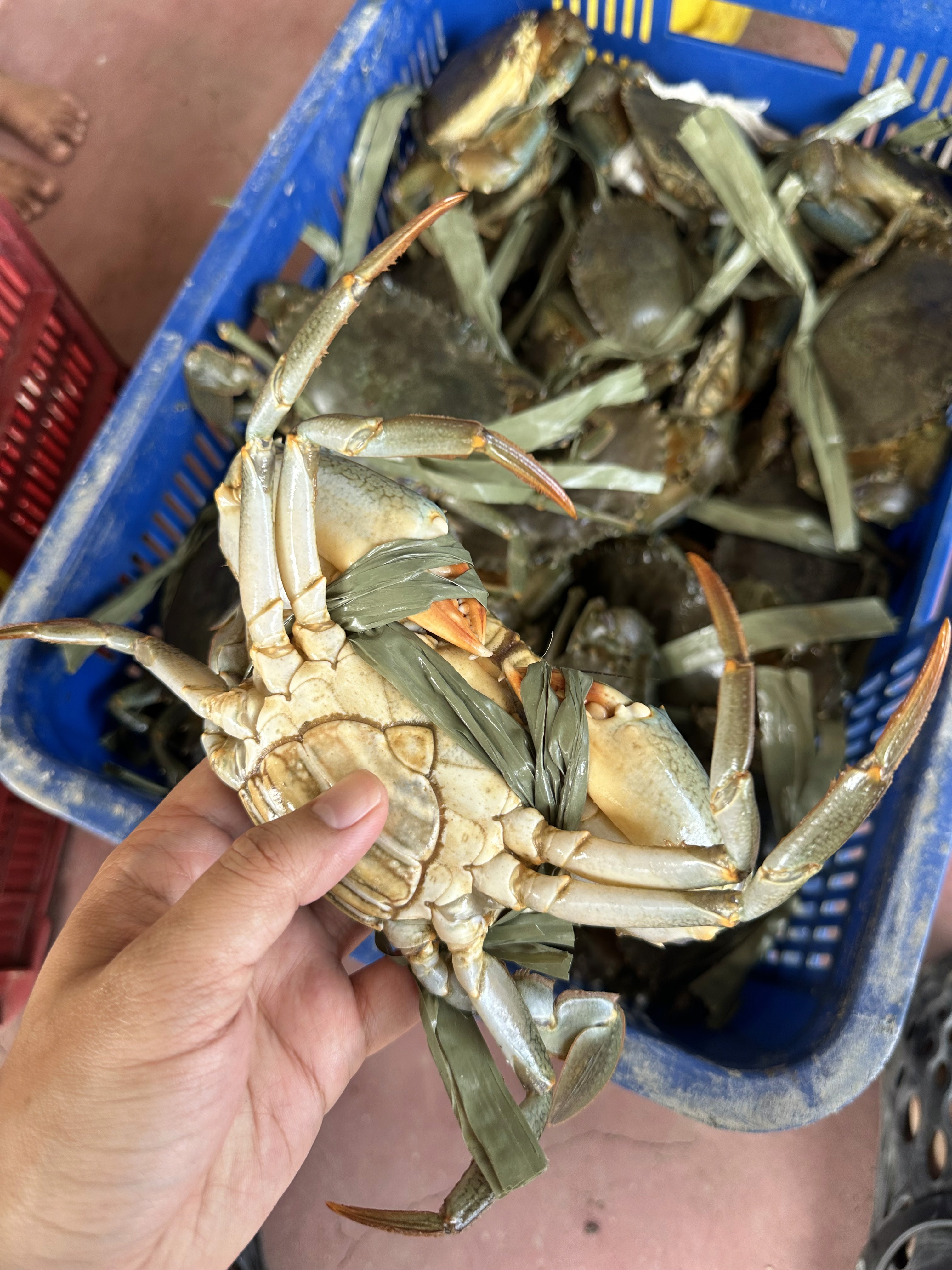
The "13th Month Pay" of the Aqua Farmer
If you visit the Pontevedra Market—the true beating heart of the crab trade in Capiz—during ordinary months, you will see a steady, rhythmic exchange of alimango. But as the lunar calendar turns toward the Spring Festival, the atmosphere in Pontevedra shifts entirely. The air gets thicker with anticipation. Traders are on their phones constantly, monitoring export prices in Manila, Taipei, and Hong Kong.
For us here in Capiz, Chinese New Year isn’t just a holiday observed by our Filipino-Chinese neighbors; it is the single most critical economic event for our crab industry. It is, effectively, the "13th-month pay" for our aquaculture farmers.
I have watched this cycle for years. Farmers who have spent months tending to their ponds, battling fluctuating salinity levels and the threat of typhoons, finally see their payout. During this window, Chinese New Year Crab Prices can double or even triple. A kilo of premium female crabs with aligue (roe) that might usually sell for a standard market rate can suddenly command prices that rival high-end steak. But why? What is it about this specific holiday that turns our mud crabs into red gold?
The Symbolism: Why Crabs are Essential for the Feast
To understand the economics, you have to understand the culture. The Reunion Dinner (Nian Ye Fan) on Chinese New Year’s Eve is the most important meal of the year for Chinese families globally. The dishes served aren't just for sustenance; they are symbolic wishes for the year ahead.
Crabs hold a specific, high-value place on this table for two main reasons:
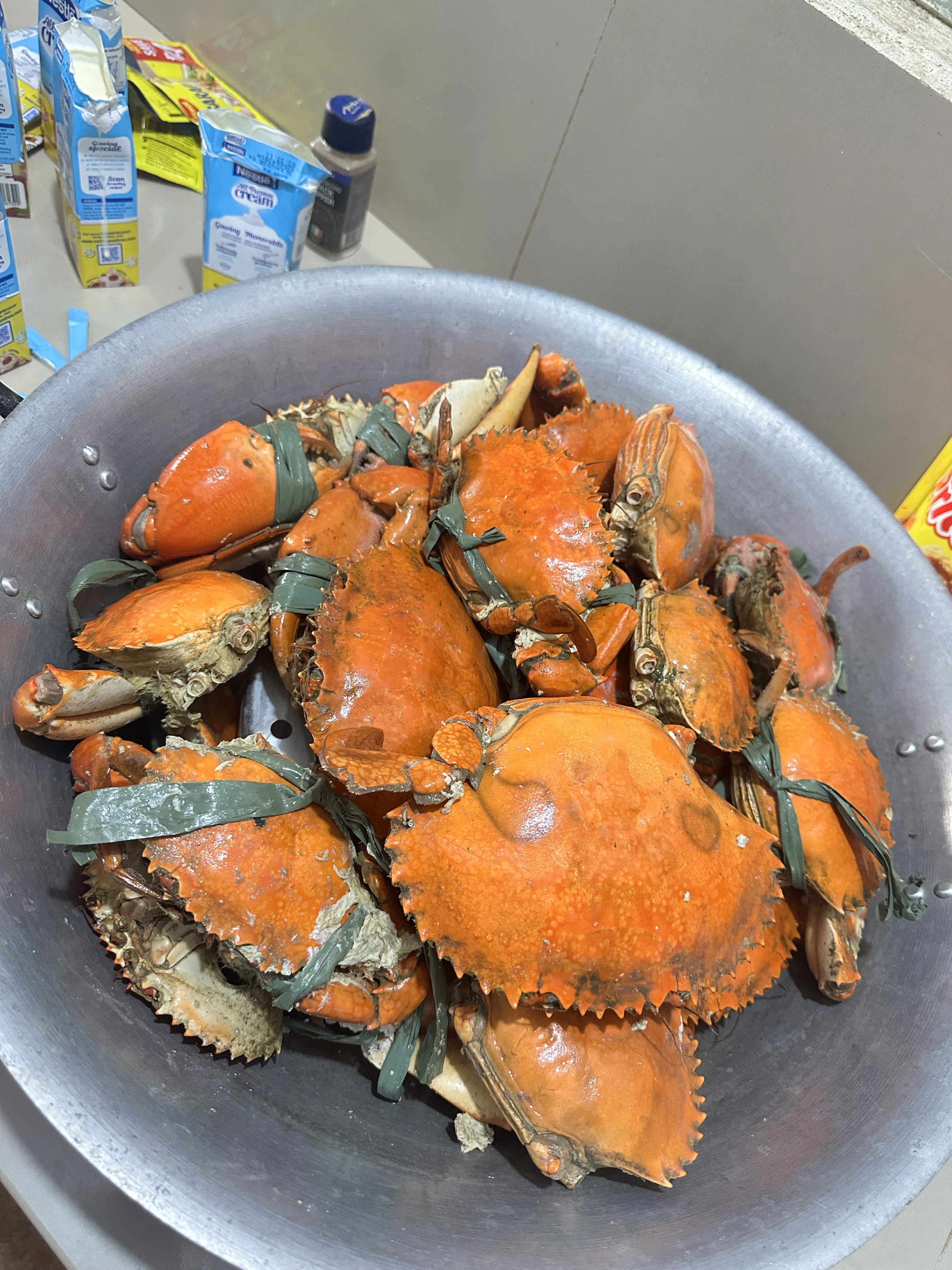
The Color Red: In Chinese culture, red is the color of luck, joy, and prosperity. It wards off evil spirits and bad fortune. When a mud crab is cooked, its dark, muddy shell transforms into a brilliant, vibrant red. Serving a whole crab is like serving a centerpiece of good luck.
Prosperity and Status: Crabs, particularly those full of roe, signify abundance. The act of eating crab is often associated with wealth because it is a "rich" food.
This cultural requirement creates a massive, inflexible demand. Millions of families across China, Hong Kong, Taiwan, Singapore, and Chinese communities in the Philippines must have crab on their table. And because wild catch cannot support this volume, they turn to the aquaculture powerhouses. That is where Roxas City aquaculture and the traders of Pontevedra step in.
The Capiz Advantage: Quality that Commands a Premium
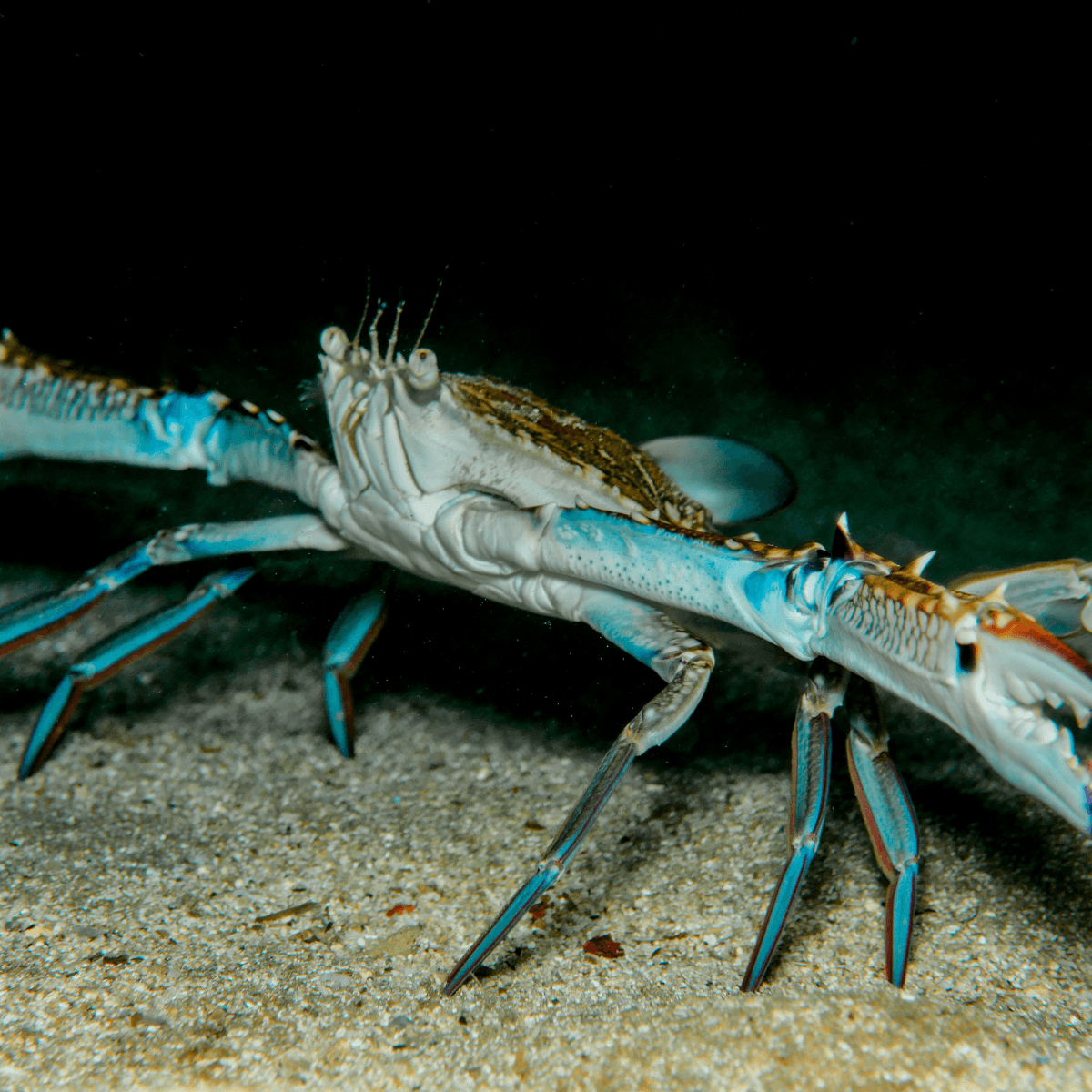
Not all crabs are created equal. The international market is discerning, and Capiz has built a reputation that allows us to command top dollar. Our brackish waters, a mix of fresh river water and saltwater from the Sibuyan Sea, create the perfect environment for Scylla serrata (giant mud crabs) to thrive.
In the weeks leading up to the new year, exporters flock to our province. They are looking for specific criteria:
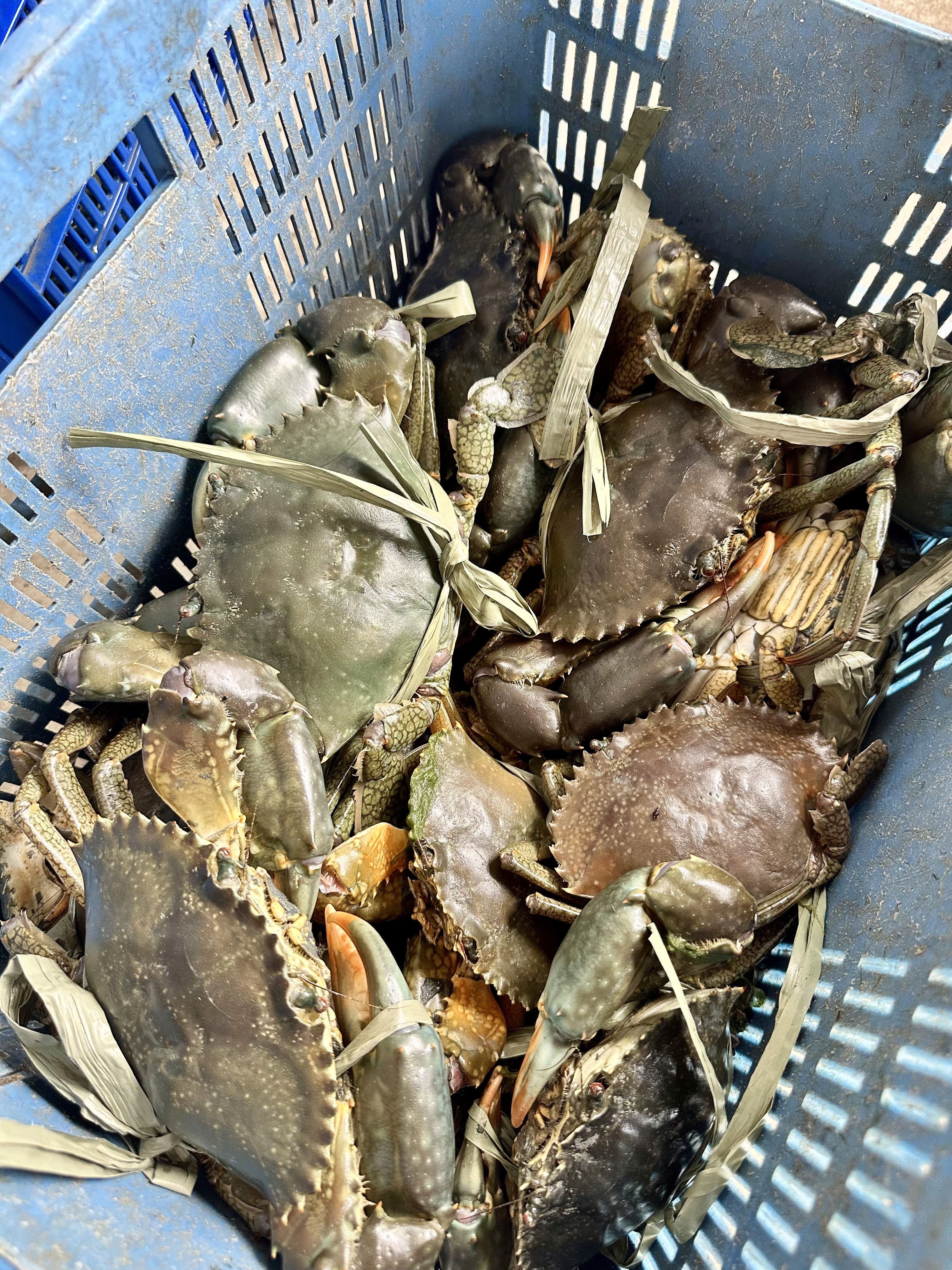
Hardness: The shell must be rock hard, indicating the crab is full of meat.
Weight: Heavier crabs are preferred for centerpieces.
Aligue (Roe): This is the gold standard. Female crabs packed with orange-red roe are the most expensive item on the menu.
In the final weeks before harvest, crabs are often moved to smaller fattening ponds or cages and fed high-protein diets (often trash fish or golden snails) to ensure they are packed solid. It is a high-risk, high-reward game. If the crab molts (sheds its shell) right before the holiday, its value drops. Farmers must time the harvest with surgical precision to hit the Chinese New Year window perfectly.
Supply, Demand, and the "Perfect Storm" of Pricing
The economics behind Chinese New Year Crab Prices is a classic case of high demand meeting limited supply, exacerbated by logistics.
Unlike dried seafood export products which can be stockpiled months in advance, live crabs are perishable. They have a shelf life. They cannot be harvested in October and saved for February. They must be harvested days before the event.
This creates a bottleneck.
The Export Vacuum: A huge percentage of the best crabs in Pontevedra are immediately funneled to Manila for export. This vacuum sucks the supply out of the local market, driving up local prices as well.
The Logistics Rush: Cargo space on planes becomes premium real estate. Shipping live crabs requires careful handling to ensure mortality rates remain low. The cost of this logistics rush is baked into the final price.
The "Bonus" Mentality: Buyers know farmers have the leverage. If a trader wants the stock, they have to pay the holiday premium.
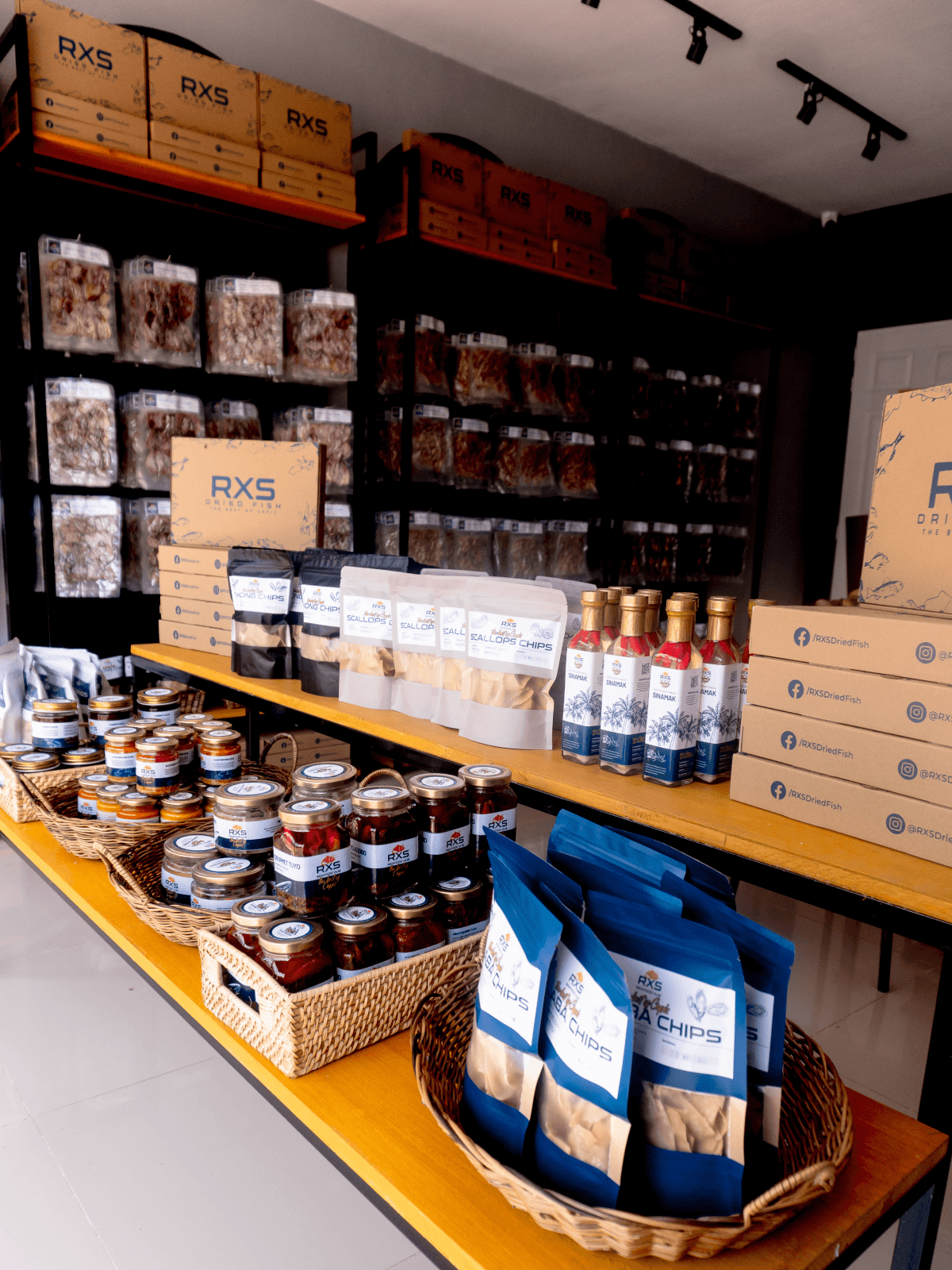
For a reseller or someone looking for resellers in the seafood industry, this season is chaotic but profitable. While the focus is often on live crabs, the premium nature of the holiday spills over into other categories. Families who are spending big on crabs are also buying premium dried seafood—dried pusit, danggit, and shrimps—to give as gifts or pasalubong to visiting relatives.
https://rxsseafoodhub.com/products
The Risks for the Farmer
It is important to humanize this story. While the prices are high, the money is hard-earned. Aquaculture is not passive income. Leading up to Chinese New Year, the risks are at their peak.
Theft: "Poaching" is common. When crabs are worth ₱1,000+ per kilo, a pond becomes a target.
Climate: A sudden heavy rain can alter the salinity of the pond instantly, shocking the crabs and causing mass mortality days before harvest. (e.g. causes 'hagas')
Cannibalism: Mud crabs are aggressive. If they are too crowded or underfed, they eat each other. Farmers have to balance maximizing stock with keeping the crabs alive.
When you buy Capiz seafood, you are paying for this vigilance. You are paying for the sleepless nights the farmer spent guarding the pond to ensure that crab makes it to a banquet table.
Conclusion: The Pride of Capiz
The spike in crab prices during Chinese New Year is more than just a statistic; it is a testament to the quality of our waters and the skill of our people. When a family in Hong Kong or Manila sits down to a red, prosperous feast, there is a very high chance that the centerpiece of that meal came from the mud ponds of Capiz.
As we celebrate the prosperity of the season, we also celebrate the hard work of the local industry that makes it possible. At RXS Seafood Hub, we are proud to be part of this lineage. Whether it is live crabs for a banquet or premium dried fish for your breakfast table, we remain committed to delivering the authentic taste of our home to yours.
References
Bureau of Fisheries and Aquatic Resources (BFAR) - Mud Crab Industry Profile.
Southeast Asian Fisheries Development Center (SEAFDEC) - Biology and Culture of Mud Crabs.
Local Market Monitoring, Banica Dried Seafood Inc. internal pricing data (2024-2025).